1
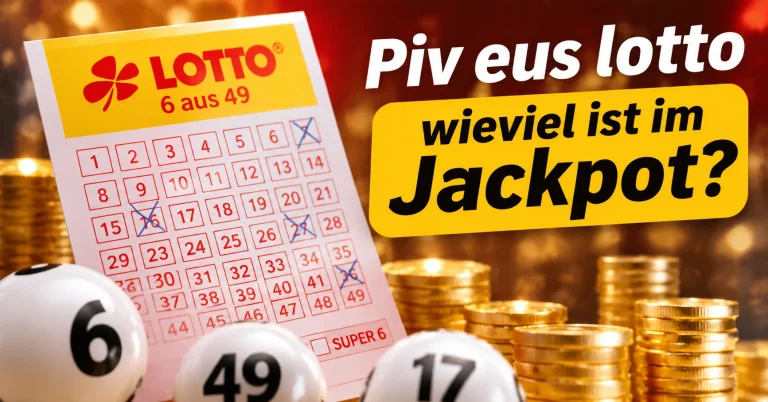
What was promised in the highlight
The title usually condenses the main idea. It may be clear, but it can also hide the most important part: what exactly is being offered and under what terms.
Here, the focus is not the loudest callout. It is the text that comes after it. In promotions, useful reading starts with the deadline, moves through the rules, and ends with the type of action that actually appears at the destination.

An editorial eye helps separate ad, context, and rule. These four points usually appear in any campaign and call for sequential reading.
The title usually condenses the main idea. It may be clear, but it can also hide the most important part: what exactly is being offered and under what terms.
A promotion without a defined window becomes a question. When there is a date, period, or participation limit, that changes the interpretation and avoids reading out of time.
Registration, profile, eligibility, and usage restrictions need to appear clearly. If something depends on an extra condition, that should be seen before any action.
The external link needs to be checked with the same care given to the text. The editorial promise and the final page do not always say the same thing.
After identifying the highlight, it is worth separating what is editorial callout from what is operational rule. Many promotions use short language to attract attention, but the details that affect participation are usually in smaller passages, footnotes, or note blocks. Reading calmly avoids interpreting a generic sentence as if it were a guarantee of result, automatic benefit, or advantage without conditions.
The deadline also deserves double reading: there is the validity period and there is the moment when the action can be completed. Sometimes the campaign is still visible on the portal, but it is no longer active on the final page. For that reason, the ideal is to check whether the information is up to date, whether there is a reference to start and end, and whether the content still matches what the user finds when clicking.
Participation restrictions need to be understood before any step. This includes age criteria, account type, access location, involved mode, and possible limitations by game or category. When these rules are implicit, the reading may seem too simple. In promotions, what seems like a detail often defines whether the offer applies or not to the specific case.
It is also useful to observe the language used to describe the action. Terms like “check”, “see”, “consult”, or “learn more” indicate that the page is leading the reader to an additional verification. This is not a problem in itself, but it shows that the main information still depends on another layer. In an editorial context, this difference between summary and final source makes all the difference.
Another practical point is to compare what appears on the promotion card with what is on the indicated destination. Title, image, and supporting text may summarize the idea, but the real confirmation is usually on the linked page. If there is a shift in focus, omission of a rule, or broader wording in the summary than in the destination, the reader should consider the final version as the main reference.
Finally, responsible reading avoids acting only on visual urgency. A promotion that is easy to understand is one that allows you to locate the promise, deadline, rule, and destination without excessive effort. When these four elements are clear, the decision becomes more mindful. When any of them is obscure, the best path is to stop, review, and only then move forward.
In promotions, haste usually gets in the way more than it helps. The best path is to read in short blocks and confirm each detail before moving ahead.

The fact that the page exists does not guarantee that the action is still valid. Check whether the stated period is still open and whether the offer is still available.
The featured phrase can be short and catchy. What really matters is the body text, where limits, requirements, and notes usually appear.
Some campaigns do not apply to everyone. When participation depends on registration, an active account, or another condition, that needs to be clear from the start.
The image may reinforce an idea, but it does not replace the written rule. If there is a difference between the visual highlight and the actual condition, what is documented is what counts.
In promotions, skipping steps usually creates confusion. A complete reading avoids rushed interpretations and helps you understand the campaign’s real scope.
After identifying the offer, it is worth checking whether the text clearly explains who can participate and when the action applies. In many cases, the useful information is not only in the main ad, but in the smaller notes, footer notices, and rules that appear after the headline. Reading calmly helps separate what is a visual invitation from what is an objective condition for proceeding.
It is also important to notice the order in which the information appears. When the page starts with a highlight and only later brings restrictions, the ideal is not to assume anything before reaching the end of the block. Dates, access requirements, participation steps, and possible limitations usually appear in logical sequence. If one point depends on another, the reading needs to respect that order to avoid incomplete interpretations.
Another useful precaution is to check whether the promotion makes sense within the context of the page where it is published. A campaign may be tied to a specific game, a category, or a temporary action, and that changes the scope of what was announced. If the text mentions a different destination than expected, the reading should prioritize that destination and not the impression created by the artwork or the title.
When there are technical terms or expressions that are too short, the best practice is to look for the definition in the material itself before moving on. Words like condition, eligibility, validity period, and participation may seem simple, but each one can change the understanding of the offer. Instead of mentally filling in the gaps, the reader should look for the explicit information and confirm whether it really applies to the case.
It is also worth checking whether the content remains internally consistent. If one part talks about free access and another imposes an additional step, that is a sign the reading needs to be revisited more carefully. The same applies to texts that mix guidance, notice, and call to action without clearly separating each function. The clearer the structure, the easier it is to identify what is a rule, what is a suggestion, and what is just editorial emphasis.
Finally, applied reading works best when the user compares what was promised with what is actually described. It is not enough to recognize the campaign; you need to understand what it requires, what it does not cover, and under what conditions it can be used. This care reduces confusion, improves interpretation, and helps you move forward only when the content is truly clear.
Not every offer is difficult. But some require more care because they mix strong imagery, short text, and barely visible conditions. In those situations, it is worth slowing down.
If the campaign appears in just a few lines, look for the full version at the destination. The summary can be useful, but it should not be treated as the final rule.
When the text includes several notes, read it in sequence. The most important detail may be in the middle of the paragraph, not at the beginning or the end.


In promotions, the best filter is not haste. It is the reading that distinguishes what is highlighted from what really applies in practice.
jackpot · editorial criterion for promotions
Identify the promotion’s theme and what it promises in direct language. If the highlight is vague, the reading needs to be more careful.
See when the campaign is valid, whether there is a defined period, and whether participation depends on a specific window.
Confirm terms of use, any restrictions, and any detail that changes the interpretation of the offer.
Before proceeding, compare the final page with what was announced. Consistency between the two sides is what supports the reading.
Jackpot promotions should be read as informational text, not as a shortcut. When in doubt, the safest choice is to go back to the full content and review what was actually stated at the destination.
Leituras complementares com contexto e critérios.